The 1805 Club uses cookies to ensure you have the best possible online experience. By continuing to use this site you consent to the use of cookies in accordance with our cookie policy.

The 18th June 2015 marks the two hundredth anniversary of the Battle of Waterloo; a defining moment in European history. The culminating point of the French Revolutionary and Napoleonic Wars, the battle was one of the most decisive battles in history. After more than 20 years of uninterrupted conflict this single day’s encounter finally put paid to Napoleon’s aspirations for European hegemony. It was a fight to the death that left over 50,000 corpses on the field and many more wounded. Where Trafalgar had been the last climactic fleet action of the age of sail, Waterloo was the last great battle of the age of the horse and musket. The world would never be the same again.
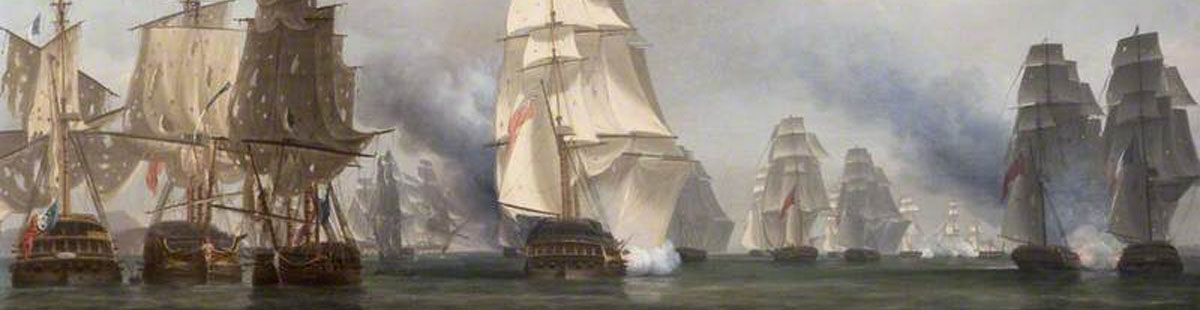
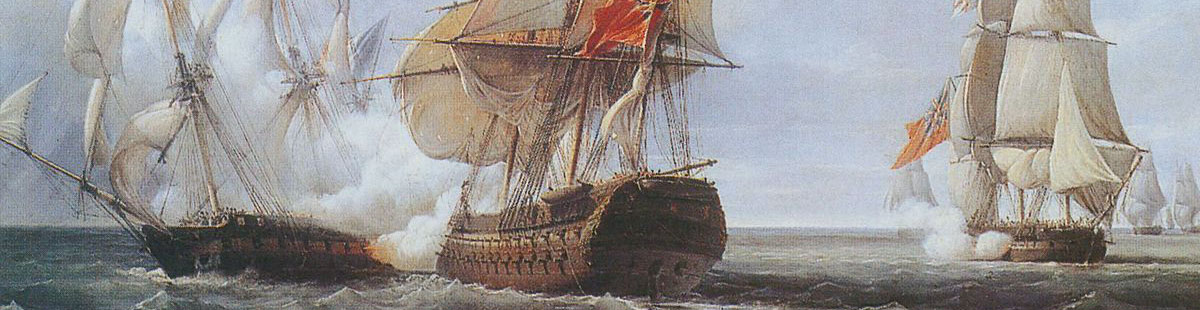
Napoleon’s fateful invasion of Russia and the central European battles aside, naval power had a profound strategic impact on the land campaigns of the Napoleonic Wars. The Royal Navy’s wooden walls were a potent force. They were both the shield protecting the country from invasion and guarding the nation’s trade and the sword that took the fight to the enemy. British naval power enabled British armies to be transported to the continental theatre – and evacuated when required, as at Corunna in 1809, and once there to be maintained and supported.